
















In the modern educational landscape, the cellphones in schools have emerged as a pivotal tool, offering both benefits and drawbacks to the learning environment. As we delve into this complex issue, it’s essential to weigh the advantages and disadvantages that cellphones in schools bring to schools.
Table of Contents
Advantages of Using Cellphones in Schools
Improved Communication and Collaboration
One of the key benefits of cellphone integration is enhanced communication. With cellphones, students can easily collaborate with their peers and teachers, whether it’s through messaging apps, group chats, or video conferencing platforms. This opens up a whole new realm of possibilities for discussions, project collaborations, and virtual classroom experiences.
Furthermore, incorporating cellphones in schools can enhance student learning by providing instant access to educational resources. Cellphones in schools can facilitate a more interactive learning experience, engaging students in ways that traditional methods may not.
Moreover, the integration of cellphones in schools allows students to engage in collaborative projects that require real-time information and communication. This fosters an environment where learning is dynamic and student-driven, making cellphones in schools a beneficial addition.
In traditional classroom settings, students may hesitate to speak up or ask questions in front of their peers. However, with the use of cellphones, students can now ask questions or seek clarifications anonymously, reducing the fear of judgment. This promotes a more inclusive and supportive learning environment where students feel comfortable expressing their thoughts and ideas.
Cellphone integration also allows for seamless communication between teachers and students outside of the classroom. Students can reach out to their teachers for additional support or clarification on assignments, allowing for personalized learning experiences. Moreover, teachers can provide timely feedback and updates to students, enhancing the overall learning process.
Enhanced Learning Tools
Cellphones are a gateway to a plethora of educational resources. With apps for every subject, students can reinforce classroom learning with interactive exercises and tutorials. They also provide instant access to information, aiding in research and homework.
In essence, cellphones in schools serve as invaluable educational tools, providing students with a wealth of information at their fingertips, which encourages lifelong learning.
While some may argue against them, the advantages of integrating cellphones in schools cannot be overlooked, especially when considering their potential to enhance the education system.
Overall, the role of cellphones in schools is evolving, and their inclusion in the classroom environment has the potential to make a significant impact on student learning.
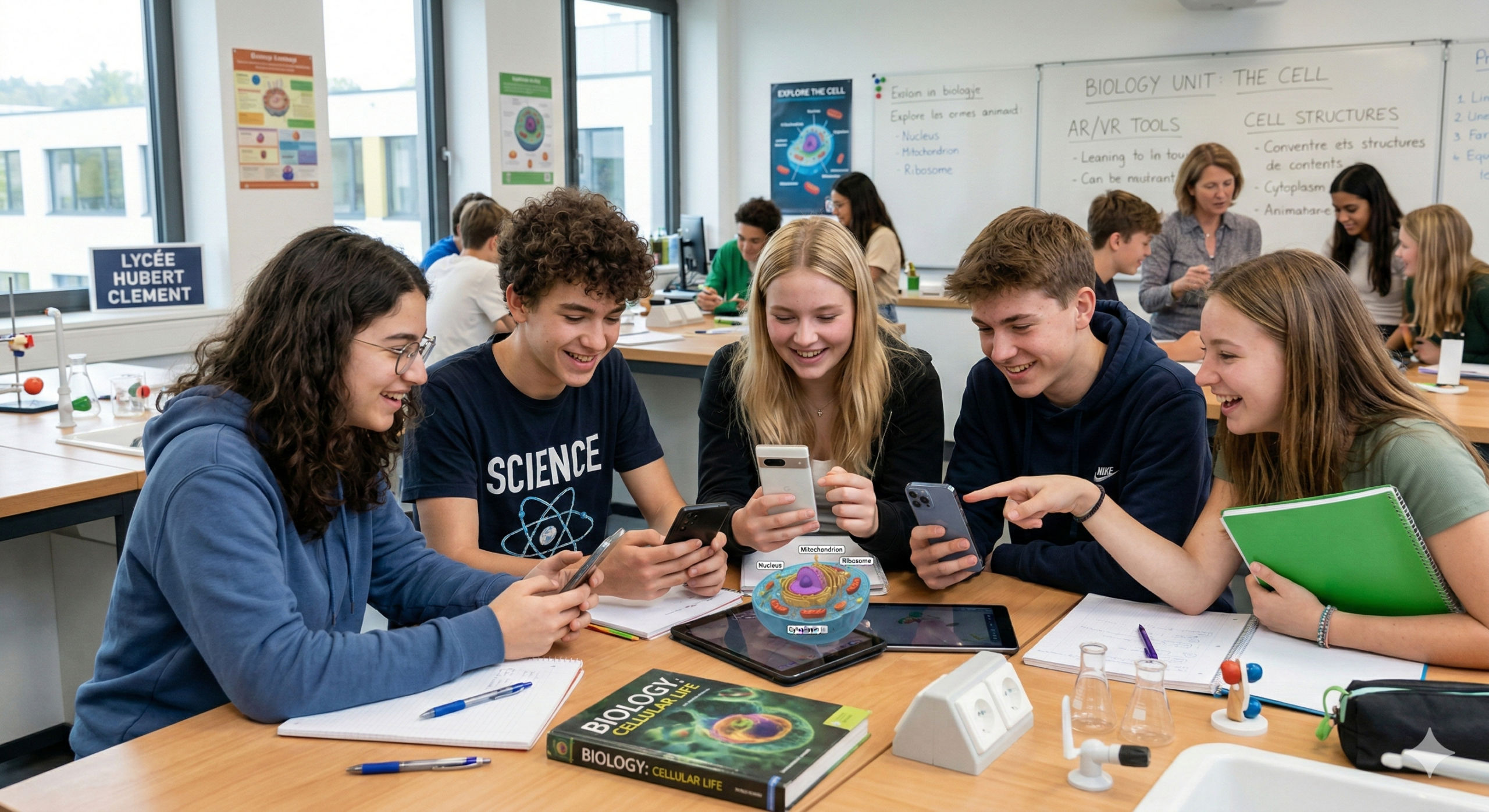
Additionally, cellphones in schools can be utilised to foster creativity and innovation among students, as they explore various applications and resources available on their devices.
Another advantage of cellphone integration in schools is the access to a vast array of educational resources. With smartphones, students can access online libraries, research databases, and educational apps that provide interactive learning experiences. This not only makes learning more engaging but also allows students to take control of their own learning journey.
Cellphones can be used to supplement traditional teaching methods by providing multimedia content such as videos, podcasts, and interactive simulations. These resources can cater to different learning styles, making education more inclusive and effective. For instance, visual learners can benefit from watching educational videos, while auditory learners can listen to podcasts or audio lectures.
It is crucial for educators to embrace the potential of cellphones in schools and guide students in their effective use for educational purposes.
In addition, cellphone integration enables students to access real-time information and updates. They can stay up to date with current events, scientific discoveries, and global issues, fostering a deeper understanding of the world around them. This access to real-world information helps students connect their classroom learning to practical applications, making education more relevant and meaningful.
Increased Student Engagement and Motivation
One of the challenges educators face is keeping students engaged and motivated in the classroom. Cellphone integration can help address this issue by incorporating technology into the learning process. By leveraging the features and functionalities of cellphones, educators can create interactive and immersive learning experiences that capture students’ attention and interest.
For instance, gamification can be utilized to make learning more enjoyable and motivating. Educational games and quizzes can be integrated into lessons, allowing students to learn while having fun. This approach not only enhances engagement but also promotes healthy competition among students, encouraging them to strive for excellence.
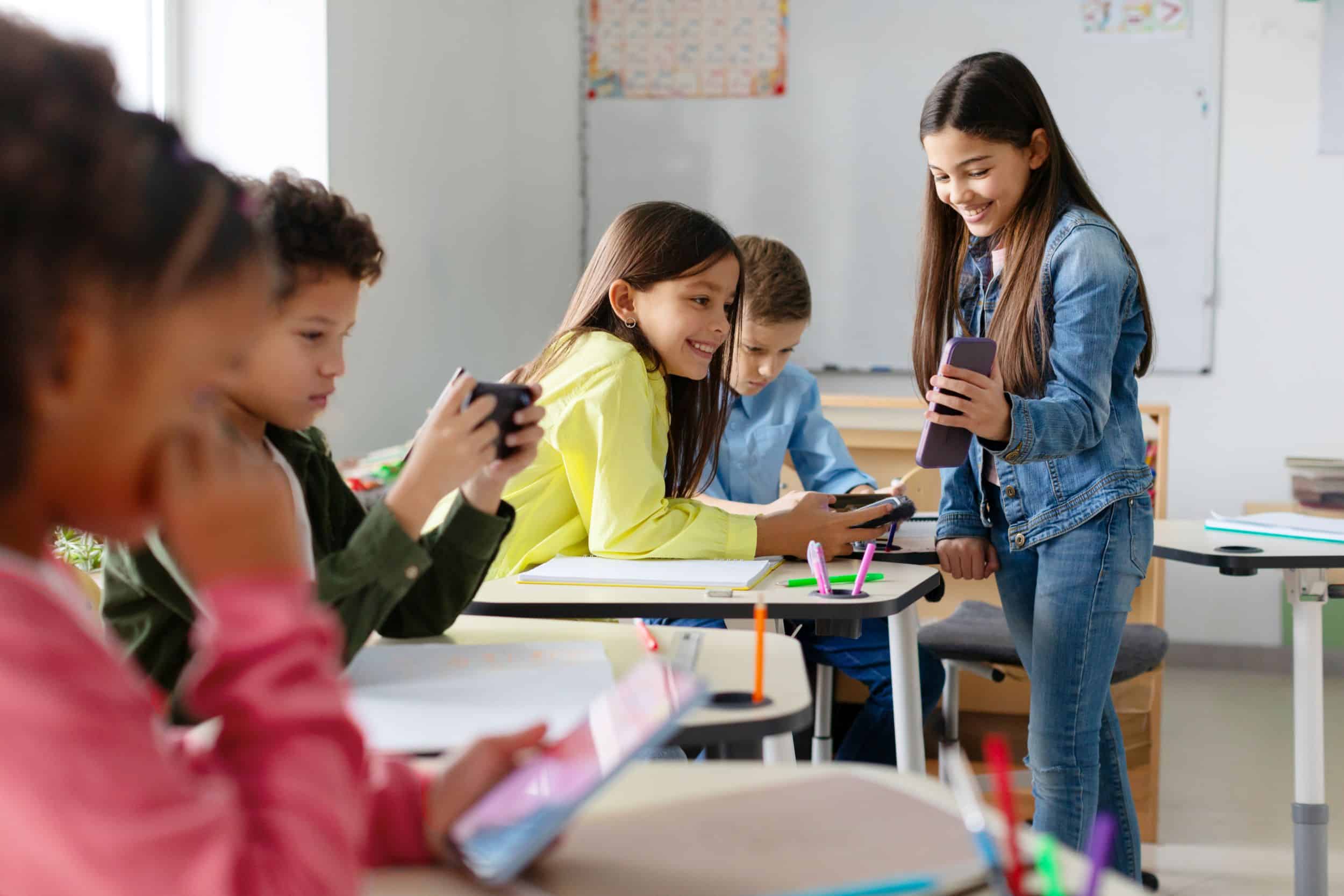
Cellphone integration also enables personalized learning experiences. Students can access educational apps that adapt to their individual needs and pace of learning. This personalized approach ensures that students receive the support and resources they require, leading to improved learning outcomes and increased motivation.
Access to Vast Educational Resource
One of the most significant advantages of cellphone integration is the access to a vast range of educational resources. With smartphones, students can explore online libraries, research databases, and educational apps that provide a wealth of information and learning materials.
Online libraries give students access to a wide range of books, articles, and scholarly publications. This not only expands their knowledge but also promotes independent research and critical thinking skills. Students can delve into specific topics of interest, conduct in-depth research, and develop a deeper understanding of their subjects.
Educational apps provide interactive learning experiences that cater to different learning styles. For instance, there are apps that offer virtual science experiments, allowing students to conduct experiments in a safe and controlled digital environment. There are also language learning apps that provide interactive lessons and quizzes, helping students improve their language skills at their own pace.
Furthermore, research databases offer a wealth of academic resources that students can utilize for their assignments and projects. These databases provide access to scholarly articles, research papers, and case studies, enabling students to explore different perspectives and enhance their critical thinking skills.
Ultimately, the effective use of cellphones in schools can transform the educational landscape, creating an environment where students are well-equipped for the future.
Organizational Aid
With features like calendars, reminders, and note-taking apps, cellphones help students stay organized. They can track their schedules, set homework reminders, and store important information efficiently.
As we continue to navigate the digital age, understanding the role of cellphones in schools will be essential for fostering a productive learning atmosphere.
Increased Safety
In case of emergencies, cellphones allow students to reach out for help immediately. They serve as a direct line to parents and authorities, ensuring that students can communicate their whereabouts and safety status.
Learning for All
Cellphones and other mobile devices, like table PCs, can be particularly beneficial for students with special needs. Customizable apps and features can assist with learning difficulties, providing tailored support that may not be available through traditional school resources.
Disadvantages of Using Cellphones in Schools
Distraction
Perhaps the most significant downside is the distraction cellphones can cause. Social media, games, and messaging can divert attention from educational activities, leading to reduced focus and productivity.
Using smartphones for extended periods of time can have a significant impact on young brains. Research suggests that excessive smartphone use can affect the brain’s ability to refocus. Young brains require a certain amount of time to refocus after being engaged with a smartphone, and this can have consequences on their attention span and cognitive abilities.
It’s crucial for young people to be mindful of their smartphone usage and take regular breaks to allow their brains to recharge. By giving their brains a few minutes to refocus away from the screen, they can maintain better focus and cognitive function throughout the day. So, it’s important to find a balance between smartphone use and giving the young brain the necessary minutes to refocus.
Cyberbullying
The anonymity and reach of cellphones can exacerbate bullying. Hurtful messages and images can be spread quickly, causing emotional distress and affecting the school environment.
Cyberbullying involves using technology to harass, intimidate, or spread rumors about others. It can happen through social media, text messages, or online platforms. The impact of cyberbullying can be devastating, leading to emotional distress, low self-esteem, and even depression. Schools have a responsibility to address and prevent cyberbullying by educating students about its consequences and promoting a safe and respectful online environment. It’s essential to ensure the well-being of all students.
Academic Dishonesty
Cellphones make it easier for students to cheat. Access to the internet during exams or the ability to share answers can undermine the integrity of academic assessments.
Privacy Concerns
With cameras and recording capabilities, cellphones can invade privacy. Unauthorized photos or videos of students and teachers can lead to uncomfortable situations and potential legal issues.
Health Implications
Prolonged use of cellphones can lead to health problems such as eye strain, poor posture, and sleep disturbances. The blue light emitted by screens can disrupt sleep patterns, affecting students’ alertness and performance in school.
Balancing the Equation
To harness the benefits while mitigating the drawbacks, schools are implementing policies that regulate cellphone use. These include designated times and areas for cellphone use, strict rules against cheating and bullying, and educational programs on digital citizenship.
Conclusion
Cellphones in schools represent a modern conundrum, offering both significant advantages and serious disadvantages. As education continues to evolve with technology, it’s crucial for schools, parents, and students to navigate this terrain thoughtfully, ensuring that the positives of cellphones in schools outweigh the negatives in the quest for academic excellence and personal growth.
This article provides a balanced view of the role of cellphones in schools, highlighting the need for careful consideration and responsible use to maximise their potential as educational tools while minimising their potential for harm. The future of cellphones in schools is bright if approached with the right mindset.
Why countries have banned cell phones in school?
Many countries have started banning mobile phones in schools to help students focus better on their lessons. Teachers often find that constant notifications and the urge to check social media create a massive distraction in the classroom. When students aren’t looking at their screens, they are more likely to listen to the teacher and take part in group discussions. This change aims to create a calmer environment where learning is the main priority, rather than the latest viral video or text message.
As of 05.03.2026, many countries have moved from simply suggesting phone limits to passing strict national laws. The trend has grown quickly over the last two years, with many governments aiming to improve student concentration and mental health.
| Country | Status of Ban |
| France | One of the first to act; recently tightened rules for middle schools. |
| The Netherlands | Implemented a nationwide ban for classrooms in 2024. |
| Italy | Has a comprehensive ban across all school levels. |
| Belgium | Starting a nationwide ban for the 2025–2026 school year. |
| South Korea | Passed a law in 2025; the full ban started on 01.03.2026. |
| Chile | A new law passed in late 2025 began at the start of their 2026 school year. |
| Sweden | Recently announced a nationwide ban starting in autumn 2026. |
| Bolivia | Just began a total ban in both private and public schools in February 2026. |
| China | Strict regulations are in place requiring written consent for any phone use. |
Regional and Ongoing Efforts
In other places, the rules are decided by local states or individual schools, but the pressure for national laws is increasing:
- United Kingdom: While there isn’t a single “law” yet, the government issued strict guidance in 2024 and 2025, and many schools in England are now entirely phone-free.
- United States: Many states like Florida, Indiana, Ohio, and California have passed their own laws. Just today (05.03.2026), lawmakers in Minnesota and Michigan are pushing for similar statewide bans.
- Australia: Most states, including New South Wales and Victoria, have already banned phones during school hours in public schools.
Why the sudden rush?
Most of these countries cite a UNESCO report which found that one in four countries now has some form of phone ban. The main goal is to stop “digital dependency” and ensure that children are actually talking to one another during their breaks instead of scrolling through apps.
