
















Table of Contents
Introduction
The conversation surrounding school start times has gained considerable momentum in recent years as educators, parents, and health experts highlight the critical role of sleep in student success. This article explores how later school start times can significantly boost attention and retention in modern education, ultimately leading to improved academic performance and enhanced mental health among students. By examining scientific evidence, case studies, and the psychological impacts of sleep deprivation, we will underscore the importance of prioritizing students’ sleep needs within educational systems.
The Current Debate on School Start Times
In many educational settings, early school start times have become the norm, often beginning as early as 7:00 AM. While this schedule may align well with traditional working hours, it fails to consider the biological sleep cycles of adolescents. Research indicates that teenagers experience a natural shift in their circadian rhythms, prompting them to feel awake later at night and consequently making it challenging to rise early in the morning. As a result, many students are left grappling with chronic sleep deprivation, leading to a host of negative outcomes in both academic and personal domains.
Advocates for later start times argue that a simple shift in the school schedule can yield significant benefits. The American Academy of Paediatrics has publicly endorsed the idea, recommending that middle and high schools start no earlier than 8:30 AM. This movement has sparked heated discussions, with some school districts successfully implementing later start times while others remain resistant to change. The potential for enhanced student well-being and academic performance serves as a powerful motivator for ongoing advocacy in this critical area.
Benefits of Sleep
The Science of Sleep and Learning
Sleep plays an indispensable role in cognitive function, including the processes of learning, memory consolidation, and emotional regulation. During sleep, the brain undergoes various cycles, including REM (Rapid Eye Movement) and non-REM sleep, which are essential for processing information, problem-solving, and creativity. Studies have shown that adequate sleep quality and duration lead to better academic performance, as students are more capable of retaining information learned during the day.
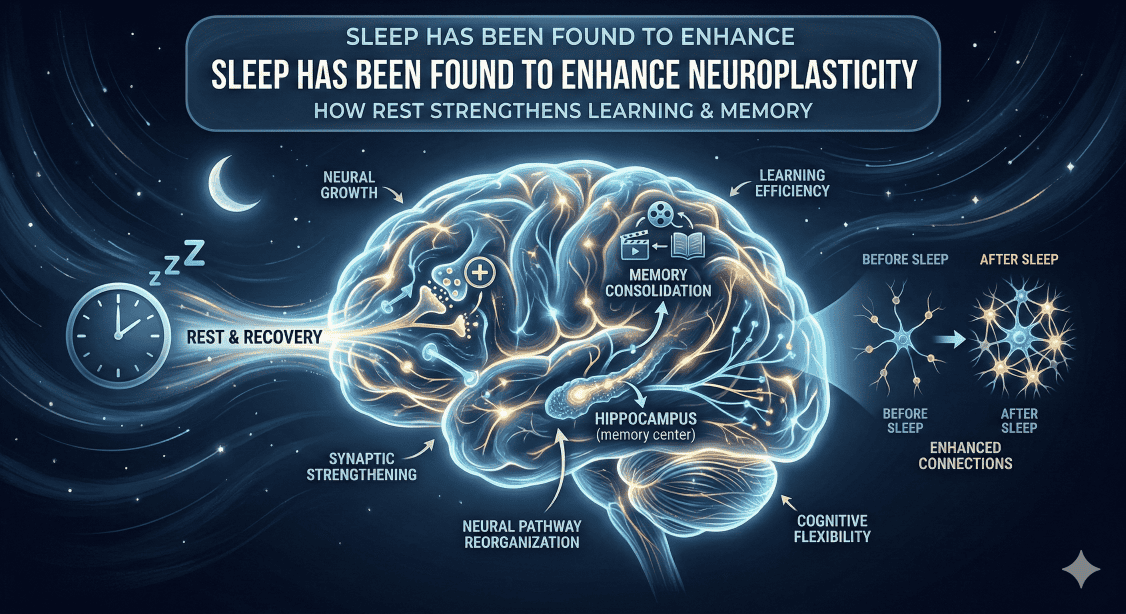
Additionally, sleep has been found to enhance neuroplasticity—the brain’s ability to reorganize itself by forming new neural connections. This is particularly important for adolescents, as their brains are still developing. A well-rested brain is more adaptable and capable of absorbing new information, leading to improved learning outcomes and overall academic success.
Sleep Deprivation: A Silent Epidemic
Sleep deprivation has reached epidemic levels among adolescents, with studies indicating that approximately 70% of high school students do not receive the recommended 8-10 hours of sleep per night. The consequences of this widespread issue are alarming. Chronic sleep deprivation is associated with increased rates of anxiety, depression, and behavioral problems, all of which can impede a student’s ability to focus, learn, and thrive in an academic environment.
Moreover, sleep deprivation can lead to impaired decision-making and reduced impulse control, further exacerbating challenges faced by students. As schools grapple with the ramifications of sleep deprivation on academic performance and mental health, it becomes increasingly clear that starting school later could be a viable solution to this pressing problem.
Restorative Sleep and Cognitive Function
Restorative sleep is crucial for optimal cognitive function. When students achieve sufficient sleep, they are more alert, motivated, and able to engage meaningfully in their educational experiences. The restorative phases of sleep help facilitate memory consolidation, where information learned during the day is transferred from short-term to long-term memory. This is particularly important for students facing rigorous academic demands.
Additionally, restorative sleep improves attention span, enabling students to maintain focus during class and actively participate in discussions. With a well-rested mind, students are more likely to engage in critical thinking, problem-solving, and creative tasks, all of which are essential skills in modern education.
Improved Academic Performance
Enhanced Focus and Concentration
One of the most immediate benefits of later school start times is the enhancement of focus and concentration among students. When students receive adequate sleep, they are better equipped to focus during lessons, absorb new materials, and participate in classroom activities. In contrast, those suffering from sleep deprivation often exhibit attention deficits, making it challenging to keep up with the curriculum.
Improvements in focus can lead to more effective learning experiences. Students who are alert and engaged are not only more likely to retain information but are also better able to collaborate with peers and participate in active learning exercises. Enhanced concentration ultimately translates to a more enriching educational environment, benefiting both students and teachers alike.
Linking Sleep to Academic Success
Numerous studies have drawn a direct correlation between sufficient sleep and academic success. For instance, research conducted in several school districts that adopted later start times revealed improved test scores and overall academic performance among students. Schools that shifted their start times found that attendance rates also improved, suggesting that students were more inclined to attend school when they felt rested and ready to learn.
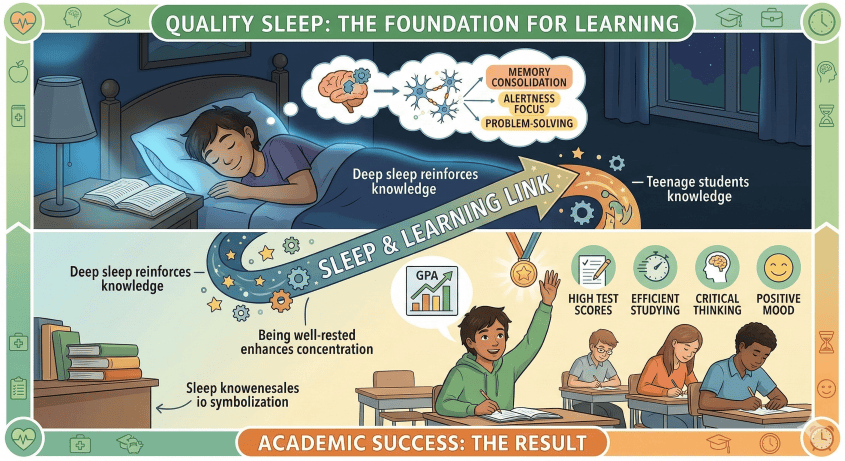
In addition to standardized test scores, students reported increased satisfaction with their academic experience and reduced feelings of burnout. This shift in academic culture fosters a positive learning environment that can lead to lasting educational success. The data supports the argument that prioritizing student sleep through later start times serves as a catalyst for academic achievement.
Case Studies: Schools that Made the Change
Several schools across the United States have successfully implemented later start times, yielding promising results. For example, a study in Seattle found that when high schools delayed their start times by an hour, students experienced a 4.5% increase in attendance rates and a significant improvement in academic performance. Similarly, a district in Fairfax County, Virginia, reported a noticeable drop in tardiness and an increase in students’ overall GPA after making the shift.
These case studies illustrate the tangible benefits of later start times and provide a roadmap for other schools considering similar changes. The success stories bolster the argument for adopting later start times as a means of fostering a healthier, more productive learning environment for students.
Enhanced Mental Health
The Connection Between Sleep and Mental Well-being
In addition to its impact on academic performance, adequate sleep is vital for mental health. Adolescents are particularly vulnerable to mental health issues, and research has shown a strong link between sleep deprivation and conditions such as anxiety and depression. By prioritizing sleep through later school start times, we can help mitigate these issues and promote a healthier psychological state among students.
Sleep plays a critical role in regulating mood and emotional resilience. A well-rested adolescent is better equipped to handle stressors, navigate social situations, and engage in healthy coping strategies. Conversely, those who consistently experience sleep deprivation may struggle with emotional regulation, leading to heightened levels of irritability, mood swings, and social withdrawal.
Reducing Anxiety and Depression in Students
Numerous studies have indicated that later school start times are associated with lower rates of anxiety and depression among students. A comprehensive analysis conducted in several school districts showed that, following the implementation of later start times, students reported reduced levels of depressive symptoms and anxiety. This may be attributed to the improved sleep patterns and the subsequent positive effects on emotional regulation and mental health.
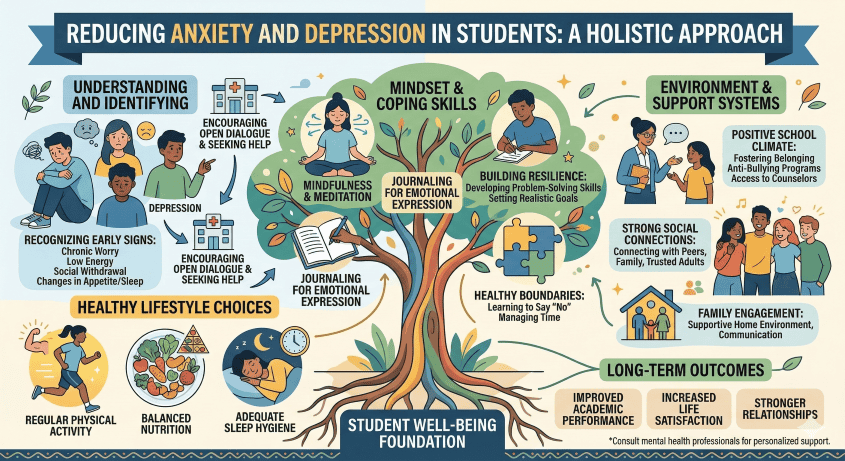
Additionally, creating a school environment that acknowledges the importance of sleep can contribute to a more supportive atmosphere for students. When schools prioritize mental health and well-being, students are more likely to feel valued and understood, leading to a greater sense of belonging and improved overall mental health outcomes.
Creating a Supportive Learning Environment
Shifting to later school start times fosters a supportive learning environment that recognizes the holistic needs of students. It signals to students, parents, and educators that the institution is committed to their health and well-being. By prioritizing sleep, schools can create a culture that values mental health, academic success, and overall student wellness.
Moreover, implementing this change could encourage further discussions on other aspects of student health, such as nutrition, physical activity, and stress management. A comprehensive approach to student well-being can produce long-term benefits that extend beyond academic performance, equipping students with essential life skills and coping mechanisms that will serve them well into adulthood.
Conclusion
The Way Forward for Education Systems
As the evidence mounts in favor of later school start times, it is essential for education systems to take proactive steps toward implementing these changes. School boards, administrators, and educators should engage in meaningful conversations about the science of sleep and its impact on student learning and mental health. By collaborating with health professionals and community stakeholders, schools can develop strategies that prioritize sleep and student well-being.
Encouraging Conversations Around Change
Advocating for later school start times is just the beginning. Schools should also encourage open dialogues about sleep and mental health within their communities. Parents, teachers, and students can work together to develop initiatives that promote healthy sleep habits and create support systems that foster mental wellness. By addressing these issues collectively, communities can cultivate a healthier and more supportive educational landscape.
Final Thoughts on Prioritizing Sleep
The implementation of later school start times presents a promising opportunity to enhance both academic performance and mental health outcomes for students. The science is clear: adequate sleep is not a luxury but a necessity for learning, growth, and overall well-being. By prioritizing sleep in educational settings, we can pave the way for a brighter future for our students, equipping them with the skills and resilience they need to succeed both academically and personally.
FAQs
Why are later school start times important?
Later school start times are important because they align better with adolescent sleep patterns, allowing for improved concentration, cognitive function, and overall mental health. Adequate sleep is crucial for learning, emotional regulation, and academic performance, making it vital for student success.
How much sleep do adolescents need?
Adolescents typically need between 8 to 10 hours of sleep per night to function optimally. Insufficient sleep can lead to a range of issues, including decreased academic performance, increased stress, and mental health concerns.
What are some benefits of later school start times?
Benefits of later school start times include improved academic performance, enhanced focus and concentration, reduced anxiety and depression, and a more supportive learning environment. Students often report feeling more rested and engaged when school starts later.
What are some challenges to implementing later start times?
Challenges to implementing later start times may include resistance from school administrations, logistical issues such as transportation schedules, and concerns from parents regarding after-school activities. Addressing these concerns requires open communication and collaboration among stakeholders.
Can later start times help all students?
Yes, later start times can benefit all students, as proper sleep is essential for everyone. While the most pronounced effects may be seen in adolescents, younger students and even educators can experience improved focus and mood with adequate sleep.
Start school later movement
The movement to delay school start times is a collaborative initiative involving health experts, sleep scientists, teachers, community supporters, parents, students, and concerned individuals. Its objective is to change school schedules in a manner that maximizes learning outcomes.
This endeavour is supported by a mounting body of evidence demonstrating that early morning start times for middle and high schools are detrimental to health, hinder academic progress, and do not align with the sleep requirements and patterns of adolescents.
